
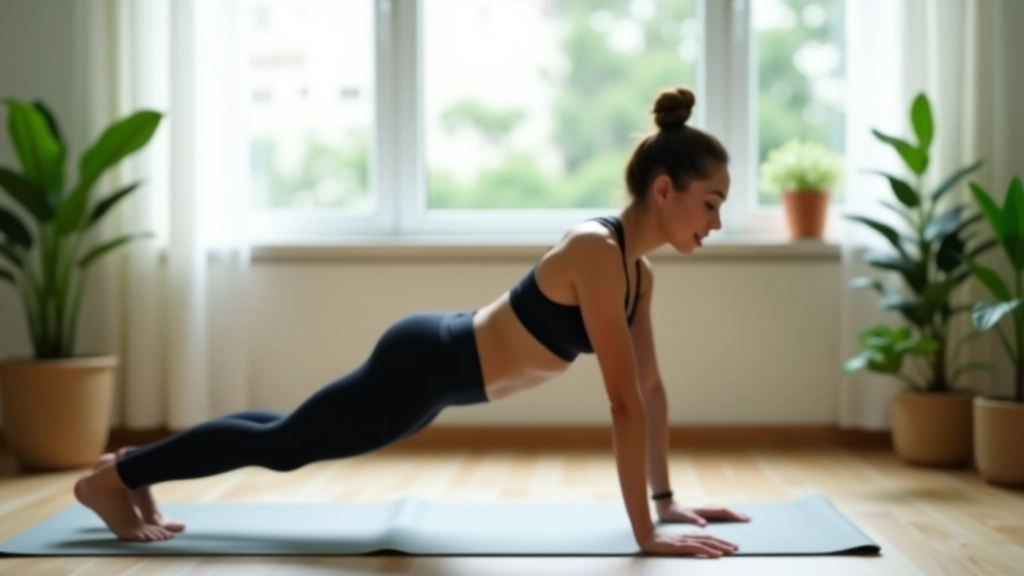
Here’s the thing about getting stronger at home: you don’t need weights to build real muscle and power. It’s actually simpler than most people think. Progressive overload—making your workouts harder over time—works just as well with your own bodyweight as it does with dumbbells. The trick is understanding HOW to increase the challenge when you can’t just add more kilos.
We’ve trained hundreds of people in small Hong Kong apartments. They’ve built impressive strength using nothing but their own bodies, a pull-up bar, and smart programming. This guide shows you exactly how.
The Five Ways to Progress Without Adding Weight
Progressive overload has five main levers. You don’t need all of them—pick the ones that fit your current exercise. Most people focus on just one and wonder why they plateau.
1. Increase Reps
Start with 8 push-ups. Next week, do 9. Then 10. It’s straightforward and it works. Once you hit 15-20 reps comfortably, you’re ready for a harder variation.
2. Slow Down the Tempo
Take 3 seconds going down, pause 1 second at the bottom, explode up in 1 second. That same push-up just became significantly harder. Time under tension matters—a lot.
3. Add Pauses
Hold the hardest part of the movement for 2-3 seconds. Pause at the bottom of a squat. Hold the top of a pull-up. These pauses remove momentum and build real strength.
4. Reduce Rest Time
Do your sets with 90 seconds rest instead of 2 minutes. Your muscles don’t fully recover, making each rep harder. Increases work capacity without changing the exercise.
5. Progress to Harder Variations
Wall push-ups regular push-ups archer push-ups one-arm push-ups. Each step is meaningfully harder. This is the ultimate progression path.
A Practical Example: Push-Up Progression
Standard Push-Ups
3 sets of 10 reps, 2-second down, 1-second up, 90 seconds rest
Tempo Push-Ups
3 sets of 8-10 reps, 3-second down, 2-second pause at bottom, 1-second up, 90 seconds rest
Paused Push-Ups
3 sets of 8 reps, 2-second hold at bottom, 3-second hold at top, 60 seconds rest
Archer Push-Ups
3 sets of 5-8 reps, hands wider, chest goes to one side, work toward one-arm push-ups
Educational Information
This article provides educational information about progressive overload and bodyweight training principles. It’s not personalized fitness advice. Everyone’s different—different ages, different experience levels, different goals. If you’re dealing with pain, injuries, or health conditions, consult with a doctor or qualified fitness professional before starting any new program. Progressive overload works best when combined with proper form, adequate recovery, and consistent training.
Track Your Progress Consistently
You need to know what you did last week. That’s non-negotiable. Most people don’t track their workouts and then wonder why they’re not improving.
Keep a simple notebook or use your phone’s notes app. Write down: exercise name, sets, reps, tempo, how it felt. That’s it. When you see you did 8 reps last week and 10 this week, you know you’re progressing. Without tracking, you’re basically guessing.
Track these four things every session:
- Number of reps completed
- Tempo used (3-1-1 or 2-0-2, etc.)
- Rest time between sets
- Exercise variation or difficulty level
Recovery Matters as Much as Training
Progressive overload only works if your body can actually recover and adapt. You’re not getting stronger in the gym—you’re getting stronger while you’re sleeping and eating.
Most people don’t realize how important sleep is. You need 7-9 hours. That’s where the actual strength gains happen. Your muscles repair, your nervous system resets, hormones balance out. Cut sleep short and you’re fighting yourself.
And don’t train the same muscle group on back-to-back days. If you did intense pushing yesterday, do pulling or legs today. Your chest and shoulders need time to recover. This isn’t laziness—it’s smart training.
Nutrition doesn’t need to be complicated either. Eat protein at each meal—doesn’t matter if it’s chicken, fish, eggs, or beans. Get enough vegetables. Drink water. That covers 90% of what matters.
Related Articles


Start Small, Progress Consistently
You don’t need weights to build serious strength. Progressive overload works with bodyweight. Pick one exercise. Master it. Add one rep. Slow down the tempo. Hold a pause. Progress to a harder variation. Track everything.
That’s the whole system. It’s not fancy, but it works. People get stronger, they look better, they feel more confident. And they did it in their apartment with zero equipment.
Start this week. Pick push-ups, squats, or rows. Do 3 sets of whatever rep range you can manage with good form. Next week, do one more rep or add a 1-second pause. Keep going. Consistency beats intensity every single time.